When does waste stop being waste? Our interview on Welt der Wunder TV
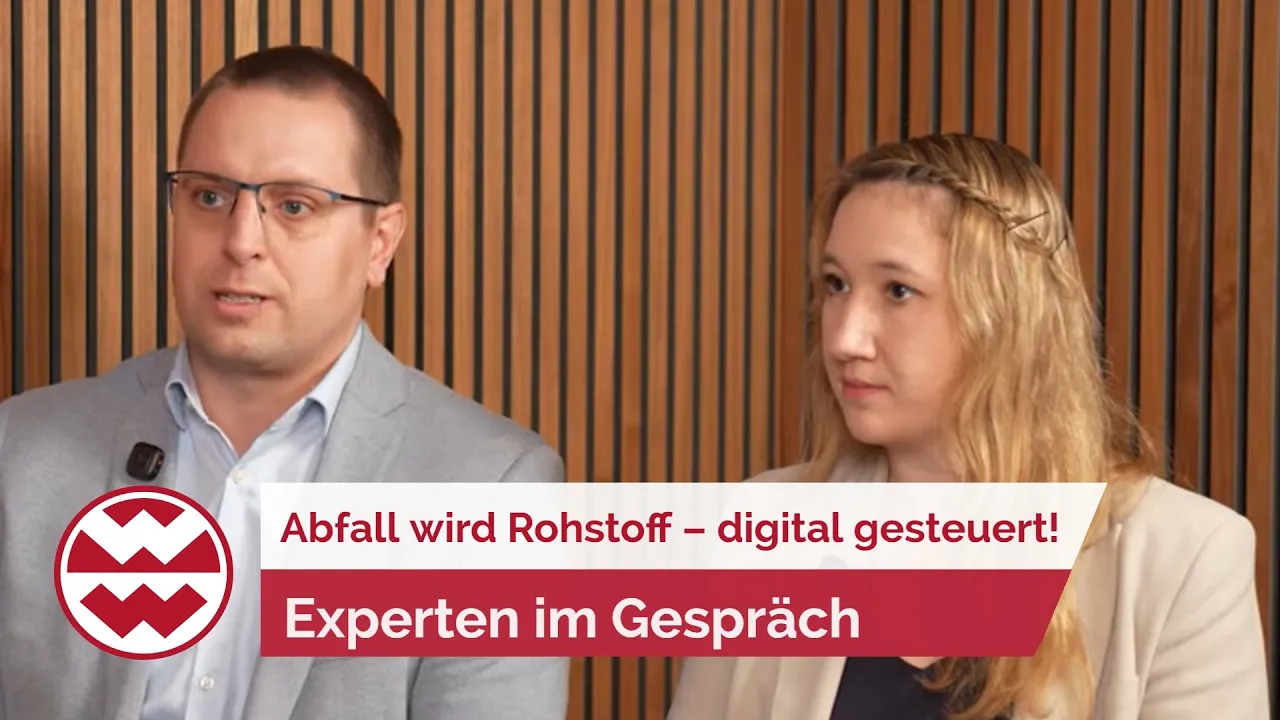
We sat down in BetterTrust's studio for an interview with Welt der Wunder.
The topic is the work we do every day: software for waste management
and recycling, built around SAP.
On TV: Wednesday, 14 October 2026, 8 pm CEST on Welt der Wunder TV.
The interview is in German.
The whole process, not just the end of it
Prologa builds software for waste management companies and recycling processes.
Our customers run SAP for finance and HR. We add the operational processes of their industry.
We explain, what covers the full process. It starts with the order and the contract. It continues with the collection and with route planning through dispatching and automation. And it ends with the question of what happens to the waste.
Can it be reused?
Can it become a new product, or go back into the cycle?
Why the pressure is growing
Two forces drive the topic. Regulation keeps expanding, in Germany and across the EU. And costs keep rising. Companies look at how efficient their production is, and what they can recover and feed back into it.
EU rules reach further than Europe. As we put it in the interview: if you produce in India and sell in the EU, you have to meet EU requirements.
For companies that collect waste, rising fuel prices put pressure on every route. Keeping the cost structure under control is a daily task.
When waste becomes a secondary raw material
Recycling adds a second layer of regulation. A material that is waste has to be tracked differently through the process.
"At some point, it is no longer waste but a secondary raw material.
And deciding at what point that happens is definitely a challenge."
The rules start much earlier, at collection. Is the waste hazardous? Does it contain chemicals? Does a truck pick up surgical waste from a hospital? Each case comes with its own requirements, and companies have to make them transparent.
Products are more complex today. A battery contains plastics and different metals. That makes recycling more complex too. Which materials can be recovered? How far does recycling make sense? Or can the battery be reused through refurbishment instead?
From the first order to the weighbridge
We describe how the process connects in one system. It starts with order intake: who wants what collected, and who transports it. Logistics brings regulation back in, for example which driver is allowed to transport hazardous waste.
At the weighbridge of the disposal facility, the weighmaster works in the same system. Every delivery links back to the original customer contract and the logistics order. Licence plate recognition identifies the vehicle and its order right away. That way, the whole process can be tracked: which material is on the truck, at what quality and at what price.
More value from the same material
For a waste management company, recycling extends the value chain.
Material that is sorted further, or goes into a more complex recycling process, sells at a higher value.
Manufacturers look at the same process as part of their supply chain. Chemicals, pharmaceuticals and metal processing are turning to recycling to secure raw material input for their production.
AI starts with clean data
We use AI in our own work, especially in software development. Our customers are asking the same questions. The more AI comes into play, the more important it becomes to know where your data is and how transparent it is.
"If you want to use AI, you need clean data to start from."
Data security is part of the answer. We give an example: when material is collected or weighed, the system can check whether a bin contains what the contract says. Is the organic waste bin really organic, or is there a lot of plastic in it? That check works without knowing who the waste comes from.
And our solutions are embedded in SAP systems. They are not standalone. That means our customers work with the functions and the security measures SAP already provides.
Bringing companies together
Together with SAP, we bring companies together in a council format. They come from different industries and spend two days discussing their processes and requirements. Participants travel from Germany and beyond, some from as far as Saudi Arabia.
Let's talk
Are you working on these questions in your waste management or recycling operations on SAP?
We would be glad to hear where you stand. Get in touch.
A thank you to the team at BetterTrust in Berlin for producing the interview with us.
There is no reason to waste it.
If you want to discuss what this means for your setup, reach out. We will start with your process reality and define a concrete next step.
Ann-Julie Wasmer
VP Sales
Prologa Group
Ready to achieve
Zero-Loss Operations
Let's discuss how PROLOGA can streamline your SAP landscape and drive measurable efficiency.
Latest News And Articles
Stay informed about breakthrough technologies, partnerships, and industry transformations driving sustainable change.